
Wind and Watertight (WWT) is a common condition term for used shipping containers. It is often discussed when a customer needs practical on-site storage and does not require a current export certification.
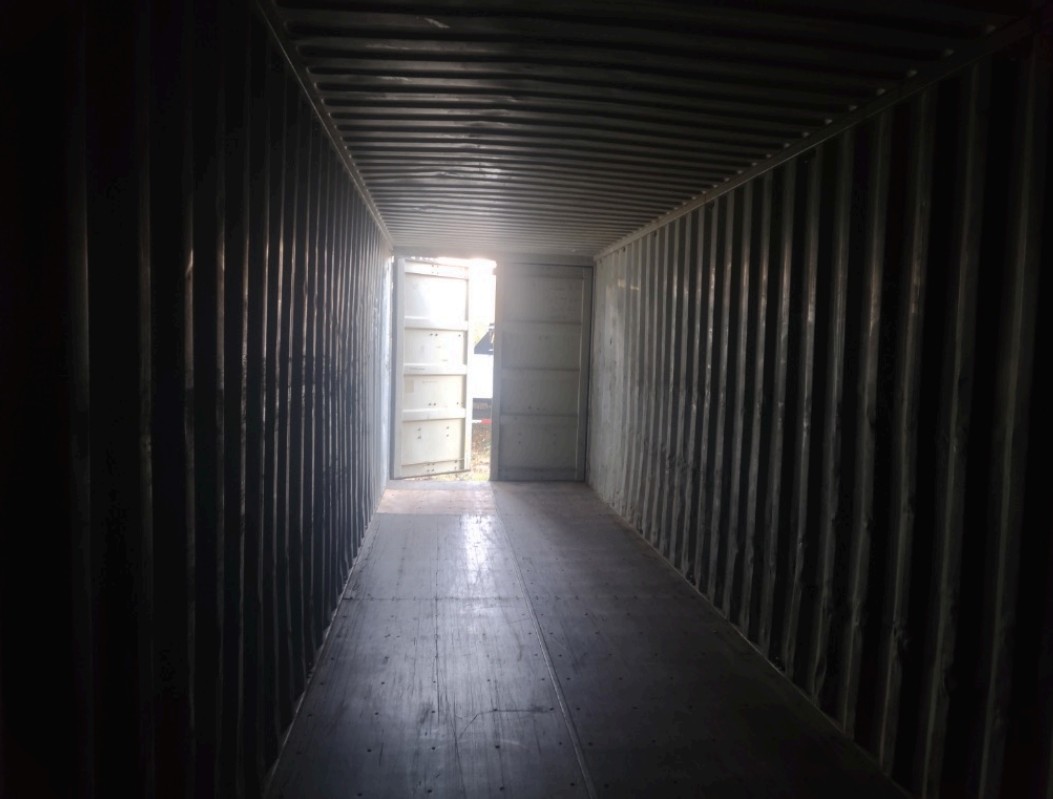
The term does not mean cosmetically new, damage-free, climate-controlled, flood-proof, or guaranteed suitable for every use. The individual container, doors, seals, floors, repairs, intended contents, and placement still matter.
Ask About WWT OptionsCall (346) 422-4772Request a Quote
Wind and Watertight in Plain Language
In practical storage discussions, Wind and Watertight (WWT) generally means the used container closes and is intended to help keep ordinary wind and rain from entering through openings. Buyers should still ask about door operation, seals, roof and wall condition, floors, visible holes, patches, repairs, and previous wear.
A condition label is not a substitute for understanding the actual unit and intended use.
What Cosmetic Wear Should You Expect?
Dents and Scratches
Used containers normally show marks from transportation, loading, unloading, stacking, and depot handling.
Faded Paint and Surface Rust
Exposure and service can leave faded coatings, scuffs, surface rust, and shipping markings.
Patches and Repairs
A used unit may have repairs completed during its working life. Ask how visible repairs affect the intended use.
Floor Wear
Floors may show stains, scratches, repairs, or other evidence of prior cargo service. Condition varies by unit.
Doors, Locking Gear, and Level Placement
Used cargo doors may require more effort than one-trip doors. Hinges, locking rods, handles, seals, alignment, rust, previous repairs, and the way the container is supported can affect operation.
A container placed on uneven or unstable support may twist enough to make doors harder to open or close. The placement area should be stable and reasonably level for the intended use.
Wind and Watertight Versus Cargo Worthy
Wind and Watertight (WWT) is commonly discussed for on-site storage. Cargo Worthy describes structural suitability for cargo transportation when supported by the appropriate current inspection and documentation.
A Cargo Worthy container can still show significant cosmetic wear. If export use is planned, confirm the inspection and documents required for that shipment rather than relying only on a verbal label.
Wind and Watertight Versus One-Trip
A one-trip container has generally completed one cargo trip and is usually newer and cleaner in appearance. It can still show minor manufacturing, transportation, and handling marks. A Wind and Watertight used container has spent more time in service and normally shows more cosmetic wear.
The appropriate choice depends on intended use, appearance expectations, condition requirements, available configuration, and budget priorities.
What WWT Does Not Automatically Mean
- It does not mean new or like new.
- It does not mean free of dents, scratches, rust, patches, or markings.
- It does not mean currently certified for export.
- It does not mean climate-controlled or condensation-free.
- It does not mean flood-proof or suitable for submersion.
- It does not guarantee that every sensitive item belongs inside.
- It does not guarantee a specific color or appearance.
Who May Consider a WWT Container?
Wind and Watertight (WWT) may be considered by homeowners, contractors, businesses, farms, organizations, and project teams seeking practical on-site storage where cosmetic wear is acceptable. The contents, storage duration, climate sensitivity, security needs, local rules, and site conditions should be reviewed.
Questions to Ask Before Buying
- Is this photograph the specific unit or a representative example?
- How do the doors and locking gear operate?
- Are there visible holes, leaks, major repairs, or floor concerns?
- What cosmetic wear should I expect?
- Do I need current export inspection or documentation?
- Is the size, height, color, and configuration confirmed?
- What delivery and placement access are required?
Frequently Asked Questions
Does WWT mean the container will never leak?
No condition label should be treated as an unlimited guarantee. The specific container, seals, repairs, placement, maintenance, weather, and other factors matter.
Is a WWT container suitable for household belongings?
Possibly, but temperature, humidity, condensation, ventilation, floor condition, leaks, pests, and the sensitivity of each item should be considered.
Can a WWT container be exported?
Do not assume so. Export use requires the appropriate current inspection and documentation for the intended shipment.
Will all WWT containers look the same?
No. Color, markings, dents, rust, patches, repairs, and overall appearance vary by unit.
Related Resources
Continue with the guide that best matches your next question.
Ask About Current WWT Options
Send your delivery ZIP code, preferred size, intended use, timeframe, and site details so current availability and delivery requirements can be discussed.