
Shipping-container condition labels can be confusing when you are buying for the first time. This guide explains the practical differences among Wind and Watertight (WWT), Cargo Worthy, IICL, and one-trip containers so Houston-area customers can ask better questions and choose an option that fits the intended use, whether you are shopping locally or comparing shipping containers for sale nationwide.
Help Me ChooseCall (346) 422-4772Request a Quote
Condition Options at a Glance
Wind and Watertight (WWT)
Common use: On-site storage.
Appearance: Used; cosmetic wear is expected.
Export: Not the same as a current export certification.
Relative position: Often considered when practical storage value matters more than appearance.
Cargo Worthy
Common use: Cargo transportation or storage where structural condition matters.
Appearance: Used; dents, rust, patches, and markings may be present.
Export: Requires the appropriate current inspection and documentation.
Relative position: Condition and documentation needs can affect cost.
IICL
Common use: Buyers seeking a higher used-container inspection standard.
Appearance: Used, generally held to stricter repair criteria.
Export: Confirm current documentation for the intended shipment.
Relative position: Often positioned above other used-condition options when available.
One-Trip
Common use: Storage or projects where a newer appearance is preferred.
Appearance: Usually cleaner, with possible manufacturing and handling marks.
Export: Requirements still depend on the intended shipment.
Relative position: Commonly priced above used options.
Wind and Watertight (WWT)
Wind and Watertight (WWT) is commonly discussed for used containers intended for on-site storage. The practical focus is whether the container closes properly and helps keep ordinary wind and rain from entering. It does not mean cosmetically new, damage-free, or currently certified for export.
Expect possible dents, faded paint, scratches, surface rust, patches, repairs, and shipping markings. Door operation, seals, roof and wall condition, floors, visible openings, and intended use all matter.
Cargo Worthy
Cargo Worthy describes a container considered structurally suitable for cargo transportation when supported by the appropriate current inspection and documentation. Cosmetic wear can still be present. If export use is planned, confirm exactly which inspection and documents are required for the shipment.
IICL
IICL refers to an inspection standard commonly associated with the container-leasing industry. These containers may be held to higher repair criteria than other used categories. Availability varies, and the label should not replace confirmation of the specific unit, intended use, and required documentation.
One-Trip Containers
A one-trip container has generally completed one cargo trip from its manufacturing region. It is usually newer and cleaner in appearance than a typical used container, but it may still show minor scratches, rub marks, small dents, or handling marks. Color, size, height, doors, vents, and other configurations depend on current availability.

Which Shipping Container Is Right for Me?
- Choose Wind and Watertight (WWT) when practical on-site storage is the priority and cosmetic wear is acceptable.
- Ask about Cargo Worthy when structural suitability for cargo use and current inspection requirements matter.
- Ask about IICL when a higher used-container inspection standard is important and available.
- Consider one-trip when a cleaner, newer appearance is a major priority.
The intended use, appearance expectations, required documentation, budget priorities, size, configuration, and delivery site should guide the decision.
Questions to Ask Before Choosing
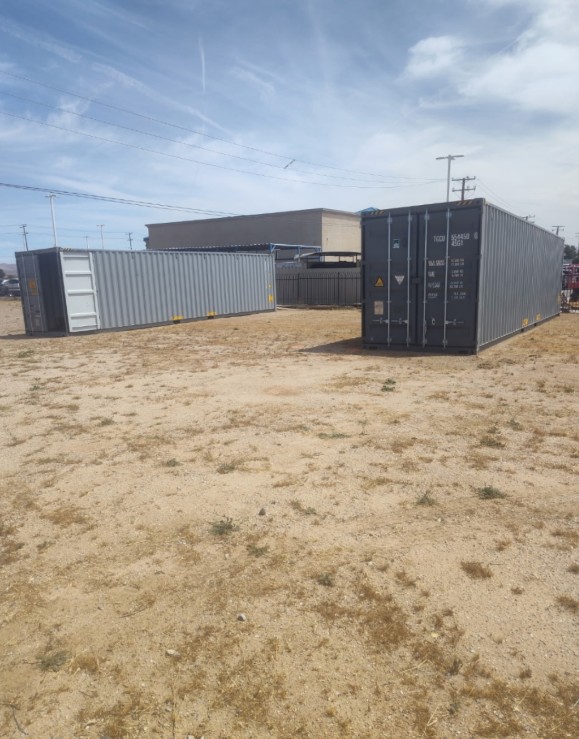
- Is the photograph of the specific unit or a representative example?
- What condition category is being offered?
- What cosmetic wear or repairs should I expect?
- Do I need current export inspection or documentation?
- How do the doors, locking gear, and seals operate?
- What is the floor condition?
- Are my preferred size, height, color, and configuration available?
- What delivery access and placement preparation are required?
Frequently Asked Questions
Is Wind and Watertight the same as Cargo Worthy?
No. Wind and Watertight (WWT) is commonly discussed for storage, while Cargo Worthy relates to structural suitability for cargo use with appropriate current inspection and documentation.
Does one-trip mean perfect condition?
No. One-trip containers can have minor manufacturing, transportation, and handling marks.
Is IICL always available?
No. Condition categories, sizes, colors, and configurations depend on current inventory.
Which option is least expensive?
Relative pricing often follows condition and appearance, but actual pricing also depends on size, configuration, availability, delivery distance, access, and placement requirements.
Related Resources
Continue with the guide that best matches your next question.
Get Help Choosing a Container
Send your ZIP code, intended use, preferred size, condition priorities, timeframe, and site details so we can discuss appropriate current options.