
Cargo Worthy and Wind and Watertight (WWT) are common used-container condition terms, but they are not interchangeable. The right option depends on whether the container is intended for on-site storage, cargo transportation, another project, or a use that requires current inspection and documentation.
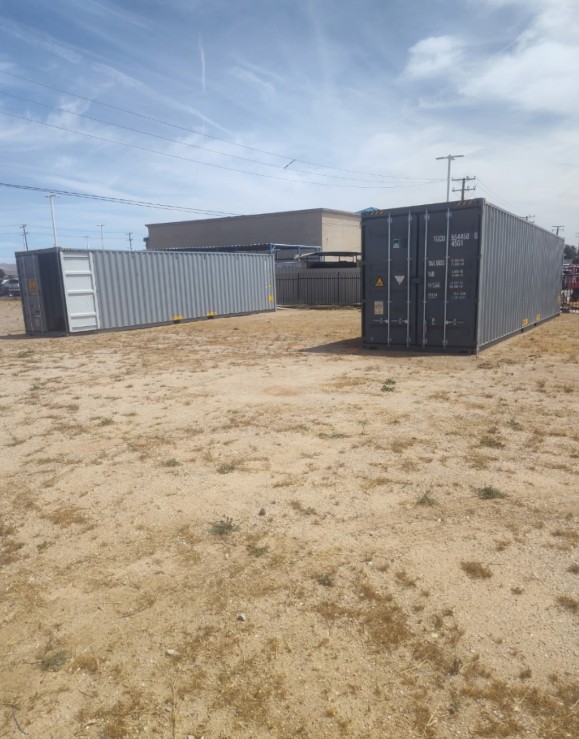
Both categories can show dents, scratches, faded paint, surface rust, patches, repairs, and shipping markings. A condition label does not mean cosmetically new.
Help Me CompareCall (346) 422-4772Request a Quote
Quick Condition Comparison
Wind and Watertight (WWT)
Often considered for: On-site storage.
Primary discussion: Doors close and the unit helps keep ordinary wind and rain from entering.
Export: Not automatically supported by a current export inspection or documentation.
Appearance: Used cosmetic wear is expected.
Cargo Worthy
Often considered for: Cargo transportation or storage where structural condition is important.
Primary discussion: Structural suitability for cargo use.
Export: Requires the appropriate current inspection and documentation for the intended shipment.
Appearance: Used cosmetic wear is still expected.
What Wind and Watertight (WWT) Means
Wind and Watertight (WWT) is commonly used when discussing practical storage containers. Buyers should still ask about doors, locking gear, seals, visible holes, roof and wall condition, repairs, floors, and the intended contents.
WWT does not mean climate-controlled, flood-proof, free of leaks under every circumstance, cosmetically new, or currently certified for export.
What Cargo Worthy Means
Cargo Worthy describes a container considered structurally suitable for cargo transportation when supported by an appropriate current inspection and documentation. The exact requirements depend on the shipment, carrier, destination, rules, and timing.
Do not assume an old label, decal, plate, photograph, or verbal description alone satisfies current export requirements.
Structural Condition Versus Cosmetic Appearance
A container can meet a structural condition requirement while still showing obvious cosmetic wear. Dents, scratches, faded paint, surface rust, repairs, patches, and markings may be acceptable depending on the standard and intended use.
If appearance matters, ask whether available photographs show the specific unit. A buyer who prioritizes a cleaner exterior may also want to compare one-trip options.
Doors, Seals, Floors, and Repairs
For either condition, review how the cargo doors and locking gear operate, whether seals are intact, whether the container is supported level, and whether floors show stains, repairs, or wear. Discuss major visible damage or modifications before purchase.
Placement on unstable or uneven support can twist a container and affect door operation even when the doors worked correctly before delivery.
Which Condition Fits On-Site Storage?
Wind and Watertight (WWT) is often considered when practical on-site storage is the priority and export certification is not required. Cargo Worthy may also be used for storage, but a buyer should not pay for an inspection or condition requirement that is unnecessary for the intended use without understanding the value.
Contents that are sensitive to temperature, humidity, condensation, or contamination may require climate-controlled or specialized storage regardless of the container condition label.
Which Condition Fits Export Use?
Export use requires confirmation of current inspection, documentation, carrier, route, and destination requirements. Ask what is required for the specific shipment. Do not assume Wind and Watertight status is enough, and do not assume a general Cargo Worthy description replaces the required current process.
Questions to Ask the Seller
- Is this the specific container I will receive?
- Which condition standard is being offered?
- What current inspection or documentation is included?
- How do the doors and locking gear operate?
- Are there visible holes, major repairs, floor concerns, or modifications?
- What cosmetic wear should I expect?
- Is the size, height, color, and configuration confirmed?
- What delivery access and placement preparation are required?
Frequently Asked Questions
Is Cargo Worthy always better than WWT?
Not for every buyer. The appropriate condition depends on the intended use, documentation needs, appearance priorities, and budget.
Does Cargo Worthy mean the container looks new?
No. Cargo Worthy containers can show significant cosmetic wear.
Can a WWT container be used for export?
Do not assume so. The appropriate current inspection and documentation must be confirmed for the intended shipment.
Can condition change after delivery?
Containers can be affected by handling, placement, support, weather, damage, and maintenance over time. Inspect and maintain the unit for its intended use.
Related Resources
Continue with the guide that best matches your next question, or view shipping containers for sale nationwide.
Compare Current Container Options
Send the delivery ZIP code, preferred size, intended use, timeframe, and condition priorities so current options can be discussed.